I Spent $45 at a Thrift Store and Got $400 Worth of Stuff (And I’m Never Going Back to the Mall)
Last Saturday, I walked into a thrift store with $50 in my wallet and zero expectations.
Just browsing. Killing time. Maybe I’d find something.
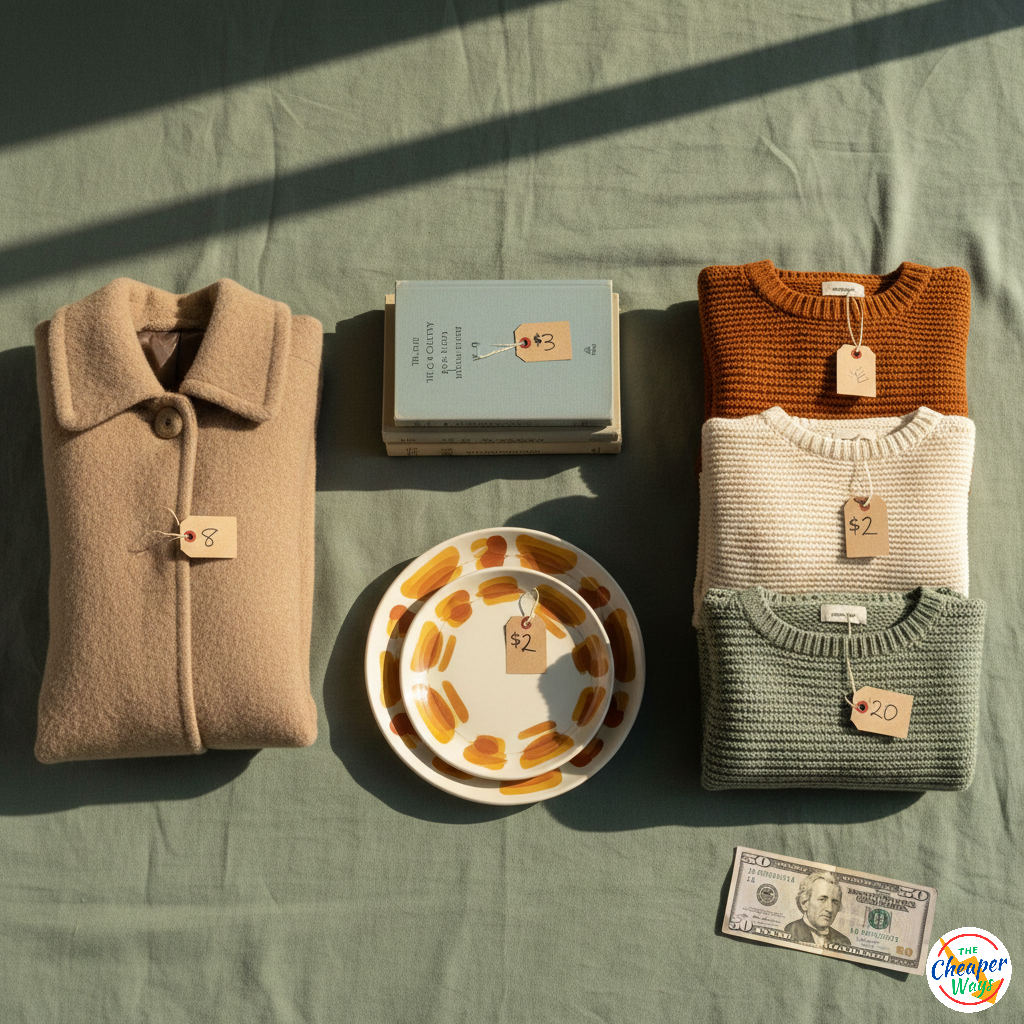
An hour later, I walked out with a winter coat, three books, two vintage dishes, and three sweaters piled in my arms.
Total damage: $45.
If I’d bought all of this new at a mall? Easily $400. Probably more.
But here’s what actually surprised me. It wasn’t the money I saved. It was how different the whole experience felt.
At a mall, I’m being sold to. Here’s the new collection. Here’s what’s trending. Here’s what influencers are wearing. Buy this or you’re missing out.
At the thrift store? I was just finding things I actually wanted. No marketing. No pressure. No guilt trip about not having the latest version of whatever.
Does this fit? Do I like it? Do I need it?
That’s it.
And I think I’m done with mall shopping.
What I Actually Bought
Let me break down my $45 haul because the savings are honestly ridiculous.
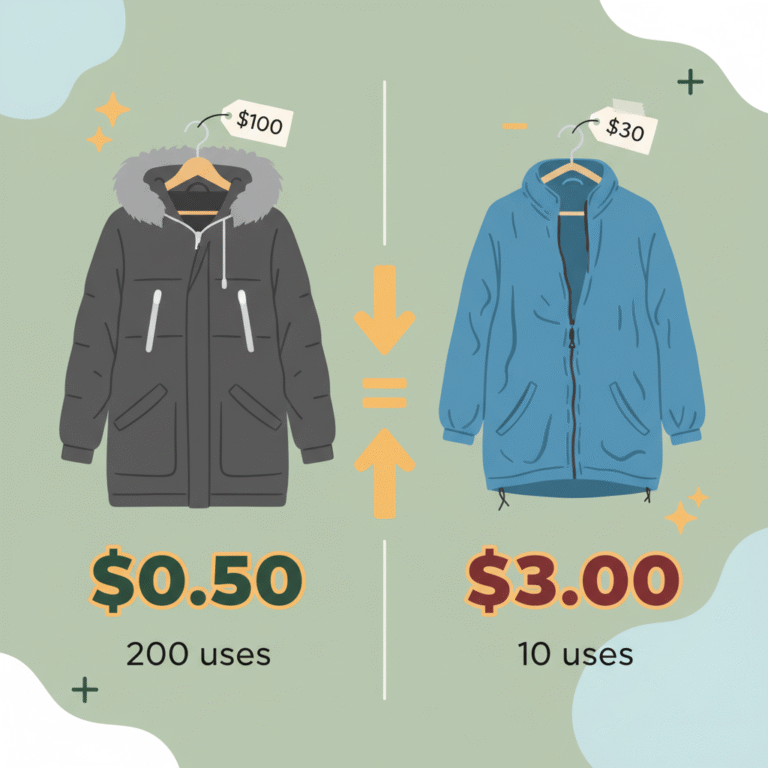
Winter coat: $8
Heavy wool blend. Classic cut. Would cost $120 new at a department store. Zero signs of wear. Someone bought this, wore it maybe twice, and donated it.
Three books: $3 total
Hardcover novels I’d been meaning to read. New price on Amazon? About $50 for all three. I paid a dollar each.
Two vintage dishes: $2 total
Actual ceramic plates with that retro pattern everyone pays premium prices for at trendy home stores. A single plate like this new? $15 minimum. I got two for a dollar each.
Three sweaters: $20 total
Good brands. Thick knit. No pilling or stretched out areas. These would run $30 each minimum at a regular store. I paid $6 to $8 per sweater.
Total if purchased new: $405.
What I paid: $45.
That’s an 89% discount. And these aren’t damaged goods or clearance rejects. They’re quality pieces that someone else just didn’t want anymore.
Research shows thrift store shoppers save an average of $2,071 per year by buying secondhand. I used to think that number was exaggerated. Now I get it.
Why Thrift Shopping Feels Better
The money matters. Obviously. But something else happened during that hour in the thrift store.
I felt calmer.
At a mall, there’s this constant pressure. New arrivals. Limited time offers. Everyone else is buying this. You’re scrolling Instagram while you shop, comparing what you see to what influencers post.
You leave feeling like you need more. Even after you’ve bought stuff.
Thrift stores are the opposite. There’s no marketing. No seasonal collections pushing you to replace last year’s perfectly good coat. No algorithm telling you what you should want.
You’re curating instead of consuming.
And that shift changes everything.
When I shop at a mall, I’m thinking about what I’m supposed to want. When I thrift, I’m thinking about what I actually want. The treasure hunt aspect makes it fun instead of stressful.
Plus, there’s zero guilt. I’m not adding to production waste. I’m not supporting fast fashion that exploits workers and dumps chemicals into rivers. I’m reusing something that already exists.
Studies on secondhand clothing show that buying used instead of new reduces climate change impact by up to 42%, along with significant reductions in water usage and energy consumption. Your $8 thrift store coat has a way smaller environmental footprint than a $120 new one.
That feels good. Way better than impulse buying something I’ll wear twice and then feel guilty about.
How to Spot Quality at Thrift Stores
Okay, but how do you make sure you’re not just buying junk?
I’ve learned a few things after months of thrift shopping. Here’s what I check before I buy anything.
Check the fabric content tag first
Natural fibers last longer. Look for cotton, wool, linen, or blends with at least 50% natural content. Avoid 100% polyester or acrylic unless it’s outerwear. Those fabrics pill and wear out fast.
Inspect seams and hems
Run your finger along the seams. Are they straight? Any loose threads or gaps? Check the hem. If it’s coming undone, that’s a sign of poor quality or heavy wear.
Look for brand names you recognize
Not because brands make you cool. But because established brands usually have better construction. A $6 J.Crew sweater at a thrift store is still a J.Crew sweater. It was built to last longer than a $6 fast fashion sweater sold new.
Smell it
Seriously. If something smells musty or weird, pass. Most thrift store smells wash out, but if it’s strong, the item probably wasn’t stored well and might have issues you can’t see.
Try it on or measure it
Thrift store sizes are all over the place. A medium from 2010 fits different than a medium from 2024. Always try things on or bring a measuring tape if you know your dimensions.
The goal isn’t perfection. It’s finding good quality pieces that work for you. And honestly, once you know what to look for, it becomes automatic.
The Real Cost of “Sustainable” New Retail
Here’s something that bugs me. Fast fashion brands now have “sustainable” lines. Made with recycled materials. Eco friendly dyes. Carbon neutral shipping.
Sounds great, right?
Except it still requires producing something new. Mining resources. Factory energy. Transportation. Packaging.
A “sustainable” new sweater still has a bigger environmental footprint than buying a used sweater that already exists.
The most sustainable thing you can buy is something that’s already been made.
And it’s cheaper. A lot cheaper.
That “eco friendly” cotton t-shirt at the mall? $35. The same quality t-shirt at a thrift store? $3.
I’m not saying never buy new. Sometimes you need new underwear or specific items you can’t find used. But for most clothing, home goods, books, and accessories? Thrift stores win on both price and environmental impact.
About one third of clothing purchases in the U.S. are now secondhand. People are figuring this out. The thrift industry is growing because it actually makes sense.
How I Organize My Thrifted Wardrobe
The biggest mistake people make with thrift shopping? Buying stuff just because it’s cheap.
I did this at first. Came home with bags of things I’d never wear. They sat in my closet unworn until I finally donated them back. Which defeats the whole purpose.
Now I have rules.
Only buy things I’d wear this week
Not “maybe someday” items. Not “I’ll lose weight and then wear this” items. If I wouldn’t wear it within the next seven days, I don’t buy it.
One in, one out
When I bring home a thrifted sweater, I donate or sell a sweater I already own. Keeps my closet from exploding. Forces me to be intentional.
Create outfits immediately
As soon as I get home, I try on the new item with things I already own. If I can’t create at least two outfits with it, I return it the next day. Most thrift stores give store credit for returns.
This approach keeps my wardrobe useful instead of cluttered. And honestly, I wear my thrift finds more than the stuff I bought new. Maybe because I put more thought into choosing them.
FAQ About Thrift Shopping
Isn’t thrift shopping just for people who can’t afford new clothes?
That mindset is outdated. About 83% of Gen Z shoppers already buy or are open to buying secondhand. Thrifting is mainstream now because it makes financial and environmental sense regardless of your income.
How do I know thrift store clothes are clean?
Wash everything before wearing it. That’s it. Same rule applies to new clothes from regular stores, which have been tried on by dozens of people. Thrift store items are no different.
What if I can’t find my size?
Thrift store inventory changes constantly. Go regularly. Check multiple stores in your area. You won’t find something perfect every time, but when you do, the savings and quality make it worth the hunt.
Are thrift stores cheaper than online secondhand apps?
Usually yes. Online resale platforms have seller fees and shipping costs built in. Brick and mortar thrift stores have lower overhead, which means lower prices. Shoppers spend 4.5 times more at physical thrift stores compared to online resale.
What items should I never buy used?
Underwear, socks, shoes with worn insoles, and anything with permanent stains or damage you can’t fix. Everything else is fair game if it’s clean and in good condition.
How often should I go thrift shopping to find good stuff?
Depends on your area, but weekly or biweekly visits increase your chances. High turnover stores get new inventory daily. Learn when your local stores restock and shop those days.
Your Turn
So here’s my question for you.
Have you tried thrift shopping? What did you find?
Or if you haven’t thrifted yet, what’s stopping you?
Drop a comment. I want to hear about your best thrift finds or your worst thrift fails. Both make for good stories.
And if you’re on the fence about trying it, just go once. Give yourself an hour. Bring $20. See what happens.
You might walk out with $200 worth of stuff for $20. Or you might walk out with nothing and at least you’ll know.
Either way, it beats dropping $80 on a mall sweater that’ll be out of style next season.
Go find some treasure. Report back.